
Last updated: July 29, 2026
Build the Baseline
Chicken Dash Rules and Metric Baseline
Chicken Dash strategy focuses on selecting the right difficulty, using smaller stakes on harder roads and choosing a cash-out target before the first move.
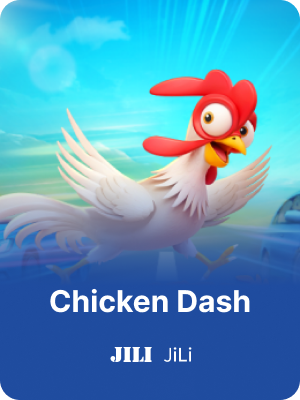
The objective of Chicken Dash is to move the chicken across as many safe road tiles as possible, build the multiplier and cash out before a collision ends the round. Its rules follow this sequence:
Choose a difficulty
Select the available risk level before the round. Higher difficulty creates a longer or more demanding route and raises the maximum multiplier.
Move one tile at a time
Tap Move to send the chicken forward. Every safe tile increases the accumulated multiplier.
Avoid a collision
If the chicken meets a vehicle before cash-out, the round ends and the uncollected multiplier is lost.
Use Dash and Bonus Bags
Dash can move the chicken several safe tiles. A Bonus Bag can appear after a successful move and add an extra reward when collected.
Cash out
After a safe move, select Cash Out to collect the current multiplier instead of attempting another tile.
| Factor | Chicken Dash | How to use it |
|---|---|---|
| Category | Other Game | Open the matching lobby and current Rules panel. |
| Format | Arcade road-crossing game with multiple difficulty levels and cash-out decisions | Follow one complete round from selection to final result. |
| RTP | 96.85%–97.00% | Use for long-run comparison, not next-result prediction. |
| Volatility | Adjustable (Low–High) | Choose a smaller unit when swings would dominate the budget. |
| Maximum win | 20,659.1x | Treat as a conditional ceiling rather than a session target. |
| Features | multiple difficulty levels, step-by-step multiplier growth, manual cash-out, protected Dash moves and random Bonus Bags | Confirm price, entry, persistence and settlement. |
Actionable Methods
Five Practical Chicken Dash Practical Strategy Methods
Apply these checkpoints in order before allowing speed, recent results or a feature presentation to change the original plan.
Begin with an easier road
What it means: Lower difficulty provides a clearer way to learn how often decisions appear and how multipliers build.
How to apply it: Complete several small-stake runs at one level before considering a harder route.
Set the target multiplier
What it means: A written target defines the point at which Cash Out will be selected.
How to apply it: Choose the target before Start and do not raise it because the current run is going well.
Keep the stake stable
What it means: A fixed unit prevents a collision from automatically making the next run more expensive.
How to apply it: Use one small amount for the planned session and never double it to recover a loss.
Avoid chasing Bonus Bags
What it means: Bonus Bags are random and have no reliable waiting pattern.
How to apply it: Make the next Move decision from the multiplier and target, not from the hope of seeing a bag.
Reduce stake on harder levels
What it means: Higher difficulty exposes the run to greater swings while offering a larger ceiling.
How to apply it: If the difficulty rises, lower the unit so one failed run does not consume the session budget.
From Screen to Action
Chicken Dash Decision Table
| Checkpoint | Question | Action |
|---|---|---|
| Session setup | How many equal base units fit the budget? | Choose the unit before opening the first run. |
| Difficulty choice | Is this level already understood? | Use the easier level first; lower the stake before moving higher. |
| Cash-out target | Was the target chosen before Start? | Write it down and collect when it appears. |
| After a feature | Has the target changed? | No. Dash and Bonus Bags do not replace the original plan. |
| After a collision | Should the next stake increase? | No. Keep the base unit or end the session. |
Apply the Process
Worked Chicken Dash Example
A player has a fixed session budget and divides it into small equal units. The player selects one difficulty and a modest cash-out target before the first run. Wins do not increase the next stake, and collisions do not trigger a recovery bet. When testing a higher difficulty later, the unit is reduced so the possible loss per run stays within the same plan.
The price can be read before confirmation.
No guide can know the next round, card, multiplier or event outcome.
The active settlement rule can be reviewed before the round begins.
The player stops when the original cap has arrived.
Make Exposure Visible
Chicken Dash Fixed-Budget Plan
A fixed budget makes the stake for each round easy to track. This example shows the structure of a session rather than recommending a specific stake.
Separate from bills, savings and borrowed money.
Choose the lowest suitable unit and keep it fixed.
End the session and protect the remaining balance.
Do not add money for a bonus, event or recovery attempt.
Correct the Process
Chicken Dash Mistakes and Corrections
| Mistake | Problem | Correction |
|---|---|---|
| Waiting for a safer-looking traffic gap | The displayed animation does not reveal the next random result. | Base the choice on the current multiplier and cash-out target, not visual timing. |
| Changing difficulty after every loss | Frequent changes make the risk and stake plan harder to follow. | Choose a level before the session and test it with a fixed small unit. |
| Continuing only to find a Bonus Bag | Bonus Bags appear randomly and a collision removes the uncollected multiplier. | Treat every Bonus Bag as an extra, not the reason for the next move. |
| Assuming another Dash is due | A previous Dash does not increase the chance of another one. | Return to the original cash-out target after the Dash finishes. |
| Using the same stake at every difficulty | Higher difficulty creates sharper swings and longer target routes. | Lower the stake when moving to a higher-risk level. |
Key Takeaways
Conclusion: Use Practical Strategy as a Repeatable Process
Chicken Dash strategy focuses on selecting the right difficulty, using smaller stakes on harder roads and choosing a cash-out target before the first move. Confirm the current rules, see the full price, follow settlement and stop at the written limit.
- Begin with an easier roadLower difficulty provides a clearer way to learn how often decisions appear and how multipliers build. Complete several small-stake runs at one level before considering a harder route.
- Set the target multiplierA written target defines the point at which Cash Out will be selected. Choose the target before Start and do not raise it because the current run is going well.
- Keep the stake stableA fixed unit prevents a collision from automatically making the next run more expensive. Use one small amount for the planned session and never double it to recover a loss.
- Avoid chasing Bonus BagsBonus Bags are random and have no reliable waiting pattern. Make the next Move decision from the multiplier and target, not from the hope of seeing a bag.
- Reduce stake on harder levelsHigher difficulty exposes the run to greater swings while offering a larger ceiling. If the difficulty rises, lower the unit so one failed run does not consume the session budget.
Continue the Series
Related Chicken Dash Guides
Explore more Chicken Dash tips and strategies in the guides below. Each guide focuses on practical decisions that can sharpen your play and improve your chances of winning.
Explore More
Other Quick Game Guides
Read the strategy guides below to discover more game tips, understand different game mechanics and improve your gaming skills from every angle.

Color Game Extreme
96.00%–98.00% RTP, medium volatility and 9x–50x maximum win.

Color Game
96.00%–98.00% RTP, medium volatility and 9x–50x maximum win.

Color Prediction
96.00%–98.00% RTP, medium volatility and 9x–50x maximum win.

Crash Bonus
96.00%–99.00% RTP, high volatility and 1,000x–1,000,000x maximum win.
18+ Entertainment Only
Responsible Gaming Reminder
No strategy, odds movement, pattern or staking system can guarantee a Chicken Dash profit.
- Set money and time limits first.
- Never chase a previous loss.
- Use only money affordable to lose.
- Stop when emotion changes the plan.
- Seek support if gaming becomes difficult to control.