
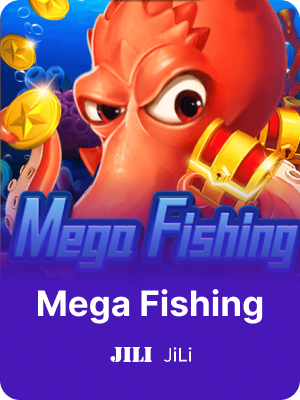
Last updated: July 28, 2026
Build the Right Baseline
Boss and Jackpot: Start with the Real Cost of a Shot
Boss and Jackpot starts with one fact: every paid bullet has a known cost, while the exact capture point remains uncertain. Before applying a tactic, use the table below to connect the active game's numbers with the next controllable decision.
| Game factor | Mega Fishing reference | What it changes | Action before firing |
|---|---|---|---|
| RTP | 95%–97% | Long-term theoretical return across many paid shots | Use it for game comparison, not target prediction. |
| Volatility | Medium–High | How evenly or unevenly returns may arrive | Use smaller stakes when boss focus raises short-term swings. |
| Maximum win | 500x–950x | Top multiplier or jackpot condition | Do not treat the maximum as a likely target result. |
| Key features | Mega fish, multiple rooms, boss encounters and jackpot tiers | Additional weapons, targets or event costs | Read the live feature rules and price first. |
The transition from information to strategy is to price the next action in advance. Record base shot size, target cap, boss allowance and session stop, then decide whether the shot still fits the original limit.
Actionable Methods
Five Practical Mega Fishing Boss and Jackpot Methods
These five Mega Fishing methods turn boss and jackpot into actions that can be observed, counted and reviewed. Work through them in order so a later weapon or boss decision never compensates for an earlier target-selection error.
Create a ten-percent feature allowance
Use it when: the relevant target, weapon or budget information is visible before the next paid shot.
Practical check: Choose a base cannon cost before firing and do not raise it merely because several shots missed.
Exit rule: stop when route quality disappears, the shot cap is reached or the action exceeds the session plan.
Ignore jackpot size as a due signal
Use it when: the relevant target, weapon or budget information is visible before the next paid shot.
Practical check: Use small and medium targets for routine play; reserve boss attempts for a separate capped allowance.
Exit rule: stop when route quality disappears, the shot cap is reached or the action exceeds the session plan.
Use short bursts on bosses
Use it when: the relevant target, weapon or budget information is visible before the next paid shot.
Practical check: A fish that has absorbed many shots is not guaranteed to fall to your next bullet.
Exit rule: stop when route quality disappears, the shot cap is reached or the action exceeds the session plan.
Stop at the per-target cap
Use it when: the relevant target, weapon or budget information is visible before the next paid shot.
Practical check: Activate lock, rapid fire, bombs or special cannons only when target density can justify their higher cost.
Exit rule: stop when route quality disappears, the shot cap is reached or the action exceeds the session plan.
Track feature cost separately
Use it when: the relevant target, weapon or budget information is visible before the next paid shot.
Practical check: Choose a base cannon cost before firing and do not raise it merely because several shots missed.
Exit rule: stop when route quality disappears, the shot cap is reached or the action exceeds the session plan.
From Screen to Action
Mega Fishing Target and Cost Decision Matrix
The Mega Fishing decision matrix connects what is visible on screen with one planned action and one reason to exit. Use it before a shot or feature activation, then stop if the evidence changes.
| Visible situation | Method to apply | Planned action | Continue only when |
|---|---|---|---|
| Target has entered with a long, unobstructed route | Create a ten-percent feature allowance | Use the planned base cannon and count every shot | Continue only while the original evidence remains visible. |
| Several worthwhile targets overlap a weapon's useful area | Ignore jackpot size as a due signal | Compare feature cost with viable target density | Continue only while the original evidence remains visible. |
| Large target is near the exit or already exceeded its cap | Use short bursts on bosses | Stop firing and select a new target | Exit immediately; no recovery shot is required. |
| Loss, excitement or another player's result creates pressure | Stop at the per-target cap | Pause the session; do not raise the cannon | Exit immediately; no recovery shot is required. |
The matrix is a decision aid, not a prediction tool. It improves consistency by making the exit condition as clear as the entry condition.
Make Cost Visible
Mega Fishing Shot-Cost Math You Can Use
Mega Fishing shot-cost math answers a practical question: how much has this target or feature already cost relative to the session plan? Use the three formulas below to prevent multipliers and animations from hiding total exposure.
A 100x target is not automatically better than a 10x target. Potential reward must be compared with route length, uncertain capture cost and the amount still available under the written cap.
Apply the Method
Worked Mega Fishing Example: Decide Before the Next Shot
This worked Mega Fishing example shows how boss and jackpot turns a fast screen into a controlled decision. Read the situation first, calculate the allowed exposure and choose the action before seeing whether the target would have paid.
An Rs. 100 session uses Rs. 1 base shots, reserves Rs. 10 for features and stops at Rs. 30 net loss. A boss attempt has already used its Rs. 8 cap.
The cost of each new bullet is known before it is fired.
No player can know which specific shot will settle the target.
Choose the maximum cost before the first shot.
End the boss attempt immediately and return to the base plan; do not spend the protected balance on one more bullet.
A capture after the cap would not prove the stop was wrong, and a quick capture would not prove unlimited chasing is correct. Review whether the decision used the available information and stayed inside the limit.
Worked Budget
An Rs. 100 Mega Fishing Session Plan
An Rs. 100 Mega Fishing plan separates ordinary shots, special features and boss attempts before play begins. The example below protects most of the budget from one high-cost event and ends the session without a recovery chase.
Use the lowest practical cannon and count each paid bullet.
Use bombs, lasers, torpedoes or bonus targets only when the planned condition appears.
Split across capped attempts; never place the full amount on one creature by default.
End the session at the limit and protect the remaining balance.
These figures demonstrate structure rather than a recommended stake. If the game's minimum shot cost cannot support enough attempts inside the plan, choose a lower-cost room or do not play.
Practise One Skill at a Time
A Five-Session Mega Fishing Practice Plan
A five-session Mega Fishing practice plan isolates one observable skill at a time so target selection, weapon timing and stop discipline can be reviewed separately. Use demo or observation mode when available, then record the decision before recording its result.
- 1
Session 1: Create a ten-percent feature allowance
Observe ten relevant screen situations. Write the target, route, planned cost and exit rule before deciding whether to fire.
- 2
Session 2: Ignore jackpot size as a due signal
Observe ten relevant screen situations. Write the target, route, planned cost and exit rule before deciding whether to fire.
- 3
Session 3: Use short bursts on bosses
Observe ten relevant screen situations. Write the target, route, planned cost and exit rule before deciding whether to fire.
- 4
Session 4: Stop at the per-target cap
Observe ten relevant screen situations. Write the target, route, planned cost and exit rule before deciding whether to fire.
- 5
Session 5: Track feature cost separately
Observe ten relevant screen situations. Write the target, route, planned cost and exit rule before deciding whether to fire.
Score each session by correct rule use, accurate shot counting and compliance with the exit condition. Do not score it by profit, because short-term results can reward a poor decision or punish a disciplined one.
Correct the Process
Mega Fishing Boss and Jackpot Mistakes and Corrections
Mega Fishing boss and jackpot mistakes occur when players confuse potential reward with probability or treat past shots as progress toward a guaranteed capture. The correction table below replaces each belief with a measurable action.
| Mistake | Why it is costly | Correction |
|---|---|---|
| Following a target after the cap | Sunk cost keeps expanding without new evidence. | Stop and select a fresh target. |
| Raising cannon power after misses | Exposure rises while capture uncertainty remains. | Keep one base unit for the planned cycle. |
| Using every available feature | Availability does not prove the screen has enough value. | Require a density or target trigger. |
| Copying another player's fire | Their stake, budget and prior shots are not your evidence. | Use your own route and cost rules. |
| Playing until the balance recovers | There is no guaranteed recovery point. | Stop at the money or time limit. |
Key Takeaways
Conclusion: Apply Boss and Jackpot with a Written Exit Rule
Boss and Jackpot is effective only when the entry reason and exit rule are written before the shot sequence begins. The main conclusion is to improve target and cost decisions while accepting that capture and payout remain uncertain.
- Create a ten-percent feature allowanceChoose a base cannon cost before firing and do not raise it merely because several shots missed.
- Ignore jackpot size as a due signalUse small and medium targets for routine play; reserve boss attempts for a separate capped allowance.
- Use short bursts on bossesA fish that has absorbed many shots is not guaranteed to fall to your next bullet.
- Stop at the per-target capActivate lock, rapid fire, bombs or special cannons only when target density can justify their higher cost.
- Track feature cost separatelyChoose a base cannon cost before firing and do not raise it merely because several shots missed.
- Review the processJudge route, cost and stop discipline independently from the random result.
18+ Entertainment Only
Responsible Gaming Reminder
No aiming method, weapon sequence, target pattern or bankroll system can guarantee a capture or profit. RTP describes long-term theory and does not predict the next bullet.
- Set strict money and time limits before play.
- Never chase a target, jackpot meter or previous loss.
- Stop when frustration or excitement changes the cannon plan.
- Use only money you can afford to lose and take regular breaks.
- Seek support if gaming becomes difficult to control.
Continue the Series
Related Mega Fishing Strategy Guides
Explore more Mega Fishing tips and strategies in the guides below. Each guide focuses on practical decisions that can sharpen your play and improve your chances of winning.
More Ways to Learn
Other Fishing Game Guides You May Like
Read the strategy guides below to discover more game tips, understand different fishing-game mechanics and improve your gaming skills from every angle.

Star Hunter
97% RTP reference, variable by target volatility and duo bosses, upgraded rewards and gauss cannon free bullets.
Bao Chuan Fishing
97% RTP reference, variable by target volatility and pirate treasure targets, bonus games and random multipliers.

Boom Legend
97% RTP reference, medium–high volatility and cyclops, viking and goblin bosses with mystery chests.
Bombing Fishing
94.4%–97% RTP reference, medium–high volatility and gold bombs, nuclear bombs, torpedoes and chain effects.
Player Favourites
Popular Games on K1 Game
Explore more popular games on K1 Game and discover the titles Pakistani players love most. Choose a game below to learn its rules, features and strategies.
Happy Fishing
Learn base cannon control and beginner target selection.
View Game
Jackpot Fishing
Compare ordinary targets, bosses, torpedoes and jackpots.
View Game
Teen Patti
Explore three-card rankings, betting decisions and psychology.
View Game
Super Ace
Open the K1 Game slot library and compare reel-based formats.
View Slots