

Last updated: July 29, 2026
Build the Baseline
Lightning Dragon Tiger Rules and Metric Baseline
Lightning Dragon Tiger has an RTP of 96.27%–98.13%, Medium volatility and a maximum win of 11x–50x. A fixed stake and loss limit keep those long-run figures in context.
The objective of Lightning Dragon Tiger is to predict whether the Dragon card, Tiger card or Tie will win the round. Its rules follow this sequence:
Choose Dragon, Tiger or Tie
Place the selection before the table countdown ends.
One card is dealt to each side
Dragon and Tiger each receive a single face-up card.
Compare card ranks
The higher-ranked card wins; equal ranks produce a Tie.
Apply the table payout
Main and side bets are settled at the rates shown on the active table.
| Factor | Lightning Dragon Tiger | How to use it |
|---|---|---|
| Category | Live Casino | Open the matching lobby and current Rules panel. |
| Format | Two-card Dragon, Tiger and Tie comparison table | Follow one complete round from selection to final result. |
| RTP | 96.27%–98.13% | Use for long-run comparison, not next-result prediction. |
| Volatility | Medium | Choose a smaller unit when swings would dominate the budget. |
| Maximum win | 11x–50x | Treat as a conditional ceiling rather than a session target. |
| Features | single-card comparison, Tie settlement and optional suited or rank side bets | Confirm price, entry, persistence and settlement. |
Actionable Methods
Five Practical Lightning Dragon Tiger RTP and Bankroll Methods
Apply these checkpoints in order before allowing speed, recent results or a feature presentation to change the original plan.
Use the two main sides first
What it means: Dragon and Tiger bets are simpler and usually have a lower house edge than the Tie.
How to apply it: Apply this decision consistently instead of changing it in response to the previous result.
Read the Tie settlement
What it means: Some tables take part or all of a main-side wager when both cards have the same rank.
How to apply it: Apply this decision consistently instead of changing it in response to the previous result.
Check card ranking
What it means: Only one card is compared on each side, so suit normally matters only for a stated side bet.
How to apply it: Apply this decision consistently instead of changing it in response to the previous result.
Limit Tie and suited bets
What it means: The larger payout reflects a much lower hit rate.
How to apply it: Apply this decision consistently instead of changing it in response to the previous result.
Ignore streak boards
What it means: A run of Dragon or Tiger results does not predict which card will be higher next.
How to apply it: Apply this decision consistently instead of changing it in response to the previous result.
From Screen to Action
Lightning Dragon Tiger Decision Table
| Checkpoint | Question | Action |
|---|---|---|
| Use the two main sides first | Dragon and Tiger bets are simpler and usually have a lower house edge than the Tie. | Apply this decision consistently instead of changing it in response to the previous result. |
| Read the Tie settlement | Some tables take part or all of a main-side wager when both cards have the same rank. | Apply this decision consistently instead of changing it in response to the previous result. |
| Check card ranking | Only one card is compared on each side, so suit normally matters only for a stated side bet. | Apply this decision consistently instead of changing it in response to the previous result. |
| Limit Tie and suited bets | The larger payout reflects a much lower hit rate. | Apply this decision consistently instead of changing it in response to the previous result. |
| Ignore streak boards | A run of Dragon or Tiger results does not predict which card will be higher next. | Apply this decision consistently instead of changing it in response to the previous result. |
Apply the Process
Worked Lightning Dragon Tiger Example
The session is close to its loss cap after an unfavourable result. The player must judge the next action from the written limit rather than a desire to recover.
The price can be read before confirmation.
No guide can know the next round, card, multiplier or event outcome.
The active settlement rule can be reviewed before the round begins.
The player stops when the original cap has arrived.
Make Exposure Visible
Lightning Dragon Tiger Fixed-Budget Plan
A fixed budget makes the stake for each round easy to track. This example shows the structure of a session rather than recommending a specific stake.
Separate from bills, savings and borrowed money.
Choose the lowest suitable unit and keep it fixed.
End the session and protect the remaining balance.
Do not add money for a bonus, event or recovery attempt.
Correct the Process
Lightning Dragon Tiger Mistakes and Corrections
| Mistake | Problem | Correction |
|---|---|---|
| Skipping the active rules | Versions, tables and markets can settle differently. | Read the current information panel. |
| Ignoring optional cost | Side bets or extra selections increase total exposure. | Price the complete action first. |
| Chasing a previous loss | A larger stake cannot repair an earlier result. | Keep the fixed unit or stop. |
| Targeting 11x–50x | The maximum is a rare conditional ceiling. | Judge the process rather than the top prize. |
| Treating 96.27%–98.13% as a promise | Long-run rates do not describe one short session. | Use the figure only for comparison. |
Key Takeaways
Conclusion: Use RTP and Bankroll as a Repeatable Process
Lightning Dragon Tiger has an RTP of 96.27%–98.13%, Medium volatility and a maximum win of 11x–50x. A fixed stake and loss limit keep those long-run figures in context. Confirm the current rules, see the full price, follow settlement and stop at the written limit.
- Use the two main sides firstDragon and Tiger bets are simpler and usually have a lower house edge than the Tie. Apply this decision consistently instead of changing it in response to the previous result.
- Read the Tie settlementSome tables take part or all of a main-side wager when both cards have the same rank. Apply this decision consistently instead of changing it in response to the previous result.
- Check card rankingOnly one card is compared on each side, so suit normally matters only for a stated side bet. Apply this decision consistently instead of changing it in response to the previous result.
- Limit Tie and suited betsThe larger payout reflects a much lower hit rate. Apply this decision consistently instead of changing it in response to the previous result.
- Ignore streak boardsA run of Dragon or Tiger results does not predict which card will be higher next. Apply this decision consistently instead of changing it in response to the previous result.
Continue the Series
Related Lightning Dragon Tiger Guides
Explore more Lightning Dragon Tiger tips and strategies in the guides below. Each guide focuses on practical decisions that can sharpen your play and improve your chances of winning.
Explore More
Other Live Casino Guides
Read the strategy guides below to discover more game tips, understand different game mechanics and improve your gaming skills from every angle.
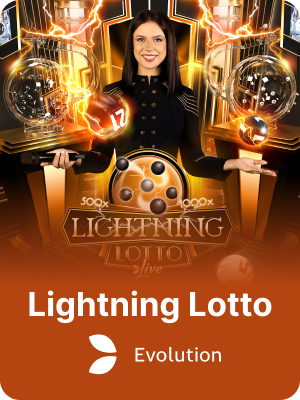
Lightning Lotto
94.00%–99.50% RTP, medium–high volatility and 10x–500x maximum win.

Lightning Storm
94.00%–99.50% RTP, medium–high volatility and 10x–500x maximum win.
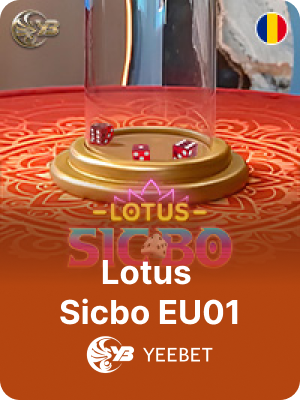
Lotus Sicbo EU01
94.00%–99.50% RTP, medium–high volatility and 10x–500x maximum win.
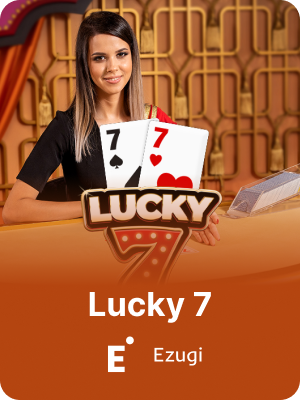
Lucky 7
94.00%–99.50% RTP, medium–high volatility and 10x–500x maximum win.
18+ Entertainment Only
Responsible Gaming Reminder
No strategy, odds movement, pattern or staking system can guarantee a Lightning Dragon Tiger profit.
- Set money and time limits first.
- Never chase a previous loss.
- Use only money affordable to lose.
- Stop when emotion changes the plan.
- Seek support if gaming becomes difficult to control.